The Bolhão market Porto reopened in 2022 after a decade of restoration. The first thing worth knowing is that it did not become a food hall. That is rarer than it sounds.
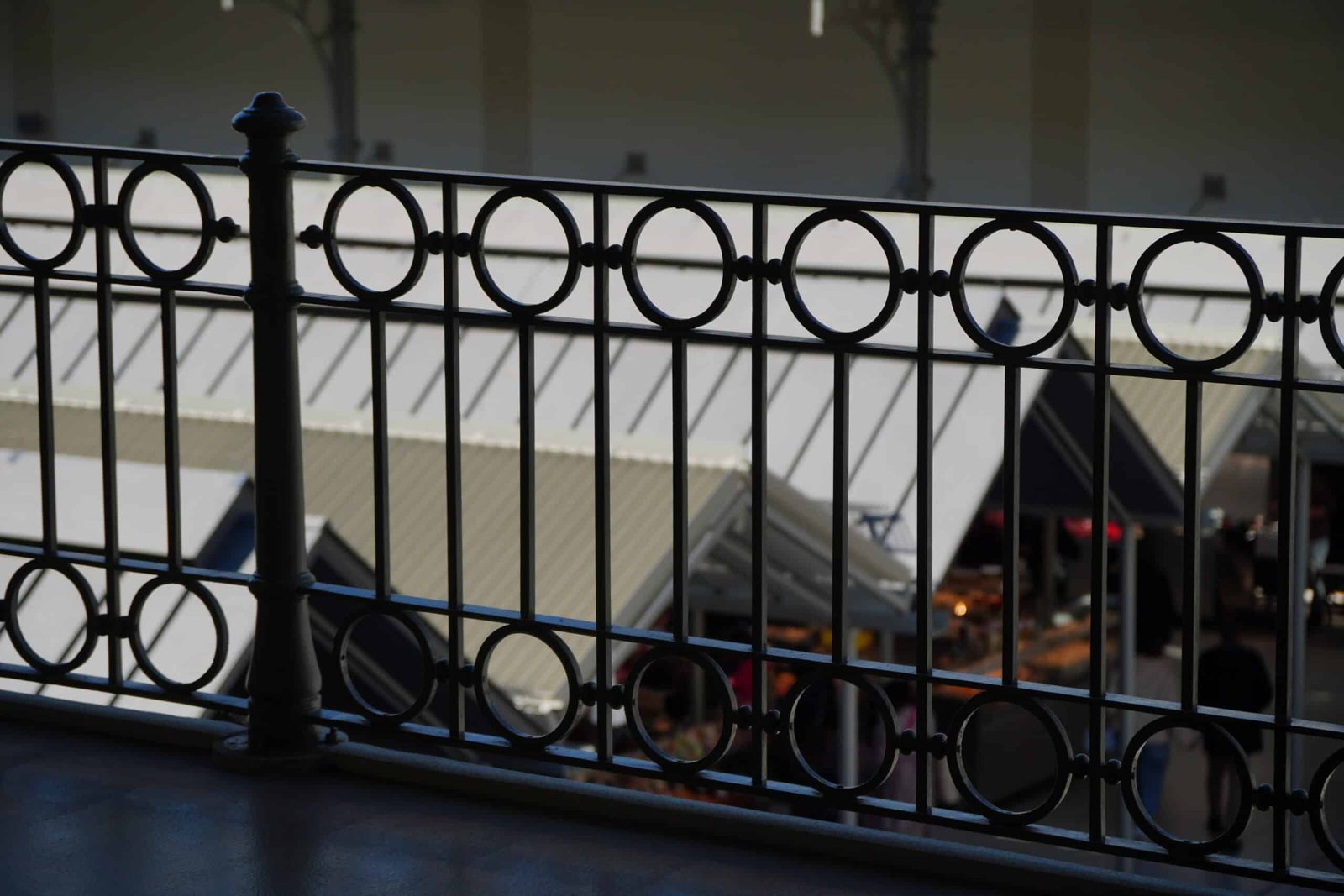
The building is nineteenth-century iron and glazed tile — two levels of arcaded galleries around an open courtyard. In most European cities, a structure like this would have been repurposed by now. Converted into a gastro-destination. Leased to a rotating cast of concept vendors. Photographed extensively and enjoyed without fish. Instead, Bolhão was restored to go on being a market. Fish sellers, cheese vendors, flower stalls, the woman who has occupied the same corner for longer than the restoration took. On a Tuesday morning at ten, it smells of salt cod and carnations. Then there is the particular damp-stone smell of a covered market that has been doing this since 1914.
The Argument a Restaurant Cannot Make
An hour in the Bolhão teaches something a restaurant cannot and a travel guide will not say. A functioning urban market is not primarily an amenity. It is, in fact, an argument. The argument: a city’s relationship to food should be daily, social, and transactional in the old sense. That means a negotiation between the person who grew or caught the thing and the person who will eat it. The building is the venue for that negotiation.
The supermarket model is not wrong, exactly. It is simply a different argument: efficiency over encounter, consistency over conversation, logistics over the social contract of the market square. Most European cities have quietly conceded this argument over the last forty years. The ones that have not are making a claim about what a city is for. Porto is one of them — choosing, after a decade away, to re-enter that argument rather than retire it.
This is the kind of choice The Considered Life pays attention to: not what Europeans consume, but the argument embedded in how they consume it.
What the Bolhão Market Porto Cost — and Who Paid
The renovation cost €28 million. Of that, €22 million came from the European Union — a detail worth sitting with the next time someone asks what EU cohesion funds are actually for. Because this is what they are for.
European urban food culture knows this, at its best — and sometimes forgets it: the market is the city’s memory. Not heritage. Not performance. The place where a city reminds itself, every morning, what it decided to value.
Euronews covered the Bolhão renovation in depth — the mayor who chose preservation over demolition, the architect who solved the logistics underground, and the stallholders who have been there longer than the restoration took. Worth reading before, or after, you go.
Find your city’s surviving covered market — not the Saturday farmers’ market, the permanent daily one — and spend an hour in it on a weekday morning. Note what is still there. Note what is missing.