There is a way of moving through Europe that produces photographs and another way that produces knowledge. The difference is not money or time. It is what you are paying attention to.
The tourist version of Bruges is charming and almost entirely beside the point. The version worth making the journey for involves understanding why the city’s remarkable preservation is partly the result of economic decline. It involves knowing what the relationship between Flemish identity and Belgian federalism looks like at street level. It involves understanding what it means that this particular place — which declined while Amsterdam rose — is now preserved precisely because it was left behind. The architecture is the same in both versions. What you see when you look at it is entirely different.
The European Itinerary is built on a set of preferences that are less about taste than about what travel is actually for.
The mid-sized city over the capital: because the capital is always performing for visitors, while the mid-sized city is just being itself. The regional train over the low-cost flight: because the landscape between places is part of the understanding, not a gap between destinations. The market over the tourist restaurant: because the market shows you what people actually eat, which is always more interesting than what they present to strangers. The overlooked neighbourhood over the historic centre: because the historic centre has already been interpreted for you, and the overlooked neighbourhood has not.
None of this is contrarianism. It is a set of choices that consistently produces better travel — not more authentic in the clichéd sense, but more genuinely illuminating. The question driving every piece in The European Itinerary is the same: what does this place teach you about Europe that you could not have learned anywhere else? If the answer is nothing, it is not the right destination. If the answer is specific and surprising, it is worth the journey.
It is not a listicle of underrated destinations. The European internet has no shortage of those, and they have not noticeably improved how people travel. It is not a collection of restaurant recommendations without context, or hotel reviews without argument, or “hidden gems” presented as discoveries when they have been on the tourist map for fifteen years.
Every piece in this series makes a claim. The claim is specific: this city teaches you this thing about European identity, history, or political economy that you could not have learned from reading about it. Because of this, the series covers places that are selected for what they argue, not for how they photograph. Wrocław because it is the strongest available argument that European identity is not fixed — it is made. Trieste because it shows you what happens at the edge of empires, and the edge is always where the interesting questions are. Tirana because it is currently the most dynamic city on the continent and the reason is not what most people expect.
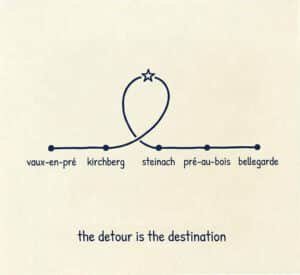
The series also covers journeys, not only destinations. The route matters. A regional train through the Eifel carries a different argument than a flight over it. Arriving in a city by water is not the same as arriving by road. The European Itinerary treats the journey as part of the content — because in Europe, where you pass through on the way to somewhere is usually as interesting as where you are going.
The Monocle Travel Guide has excellent taste. It does not have an argument. The standard guidebook series has comprehensive information. It does not have a point of view. The European Itinerary has both — which means it will occasionally recommend places that are not convenient, not particularly comfortable, and not especially well served by low-cost airlines. It will also explain precisely why they are worth the inconvenience. That explanation is the product.
The shortest format in the series is The Perfect European Weekend — an opinionated two-day guide to a mid-sized European city, written for the reader who wants to know where to go and why, not a list of options to weigh.
Three entry points, chosen for range rather than ease.
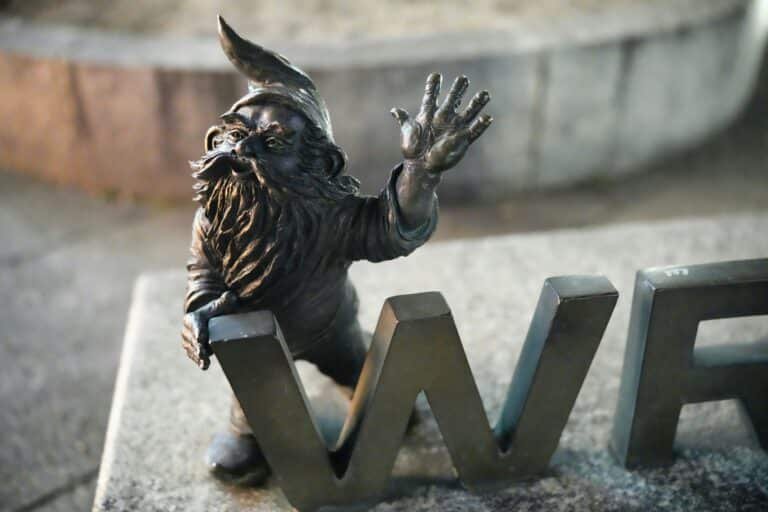
Wrocław: the city that rebuilt itself is the fullest statement of what this series is for. The city was German, then devastated, then Polish — rebuilt by people who had lost their own city elsewhere. What they built over seventy years is unlike anywhere else in Europe, and it makes the clearest available argument about what European identity is actually made of.
The Bolhão, Porto — and what a market is actually for is the series in miniature: a single specific place, one hour of attention, and an argument about what a city has decided to value — and who funded the decision.
For the journey rather than the destination, the forthcoming piece on the Eifel railway will cover what a regional train through post-war European landscape teaches you that no airport could. Add your name to the newsletter and it will arrive when it is ready — not before.
The full archive is below. Browse it the way you would move through a city you do not yet know: without a fixed itinerary, following whatever catches your attention, and trusting that the interesting things will make themselves apparent if you are paying attention.